

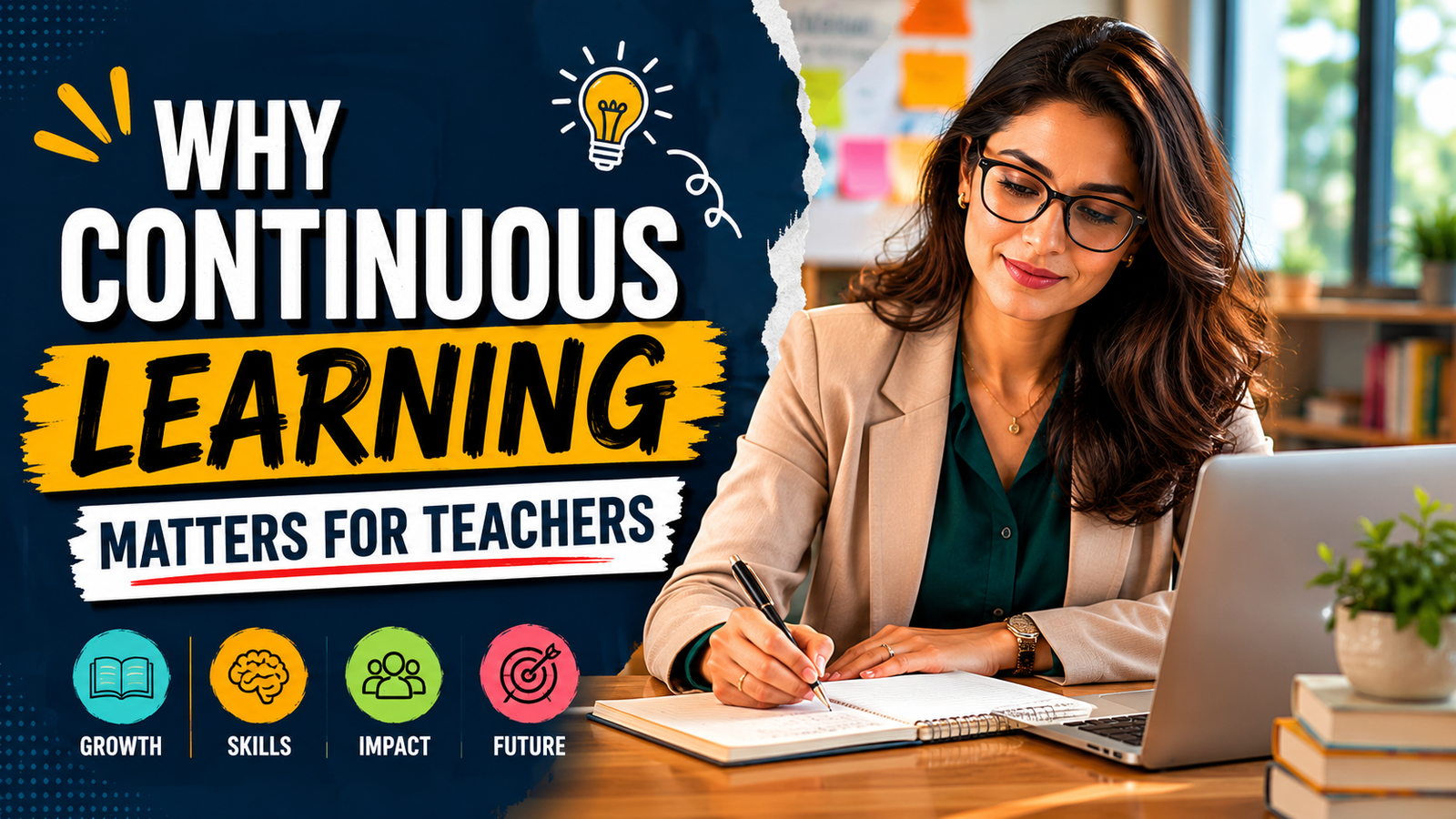
In an ever-changing educational landscape, continuous learning has become essential for teachers who want to stay effective, relevant, and impactful in the classroom. From adapting to new teaching methodologies and educational technologies to meeting the diverse needs of students, ongoing professional development helps educators enhance their skills and improve student outcomes. This article explores why lifelong learning matters for teachers, its benefits for career growth and classroom success, and practical ways educators can embrace continuous professional development throughout their careers.
Education is constantly evolving. New teaching methods, technological advancements, changing curriculum standards, and diverse student needs require educators to stay adaptable and informed. In today's fast-paced educational environment, teaching is no longer a profession that relies solely on initial qualifications. Instead, it demands a commitment to lifelong learning.
Continuous learning enables teachers to refine their skills, expand their knowledge, and remain effective in the classroom. Through ongoing professional development, educators can better support student success while also advancing their own careers. This article explores why continuous learning is essential for teachers and how it benefits both educators and students.
Continuous learning refers to the ongoing process of acquiring new knowledge, skills, and competencies throughout one's professional career. For teachers, it means actively seeking opportunities to improve their instructional practices and stay current with educational developments.
Continuous learning can take many forms, including both formal and informal learning experiences.
Formal learning opportunities are structured and often result in certifications or credentials. Examples include:
Informal learning occurs through everyday experiences and professional interactions, such as:
Both forms of learning play an important role in helping teachers grow professionally.
Education is not static. New research and innovations continuously shape how students learn and how teachers teach.
Modern instructional strategies such as project-based learning, flipped classrooms, and personalized learning have transformed traditional teaching approaches. Continuous learning helps teachers understand and effectively implement these methodologies.
Educational standards frequently change to meet societal and workforce demands. Ongoing professional development ensures teachers remain aligned with curriculum expectations and assessment requirements.
Technology has become an integral part of modern classrooms. From learning management systems to artificial intelligence tools, educators must continuously develop digital literacy skills to maximize the benefits of educational technology.
Every classroom contains students with unique backgrounds, abilities, and learning preferences.
Students learn differently. Some excel through visual instruction, while others prefer hands-on activities or collaborative learning. Continuous learning helps teachers discover strategies that address these varied learning styles.
Today's classrooms are increasingly diverse. Professional development equips teachers with inclusive practices that create equitable learning opportunities for all students.
Teachers often work with students who require additional academic, behavioral, or emotional support. Continuous learning provides the knowledge and tools necessary to meet these challenges effectively.
Professional growth directly impacts classroom performance.
Teachers who engage in ongoing learning gain access to innovative resources, instructional techniques, and assessment strategies that enhance lesson quality.
Professional development often includes classroom management training, helping teachers create positive and productive learning environments.
When educators incorporate fresh ideas and modern teaching practices, students become more engaged, motivated, and invested in their learning.
The ultimate goal of professional development is to improve student success.
Research consistently shows that effective teaching practices contribute to higher student achievement.
Engaging instructional methods encourage students to participate actively in classroom activities and discussions.
Teachers who continuously develop their instructional skills are better equipped to foster critical thinking, problem-solving, and creativity among students.
Continuous learning benefits educators beyond the classroom.
Professional development can prepare teachers for leadership positions such as department heads, instructional coaches, or school administrators.
Advanced certifications and degrees can open doors to specialized teaching positions and career advancement opportunities.
Schools value educators who demonstrate a commitment to professional growth and lifelong learning.
Learning new skills helps teachers feel more capable and prepared.
Continuous learners remain informed about current educational trends and best practices.
A deeper understanding of teaching strategies allows educators to teach with greater confidence and effectiveness.
Teachers who continuously learn are often better prepared to adapt to unexpected challenges and changing educational demands.
Technology has made professional development more accessible than ever before.
Teachers can access courses, certifications, and training programs from anywhere in the world.
Virtual events provide opportunities to learn from experts without the need for travel.
Many educators use podcasts and blogs to stay informed about emerging trends, innovative strategies, and classroom success stories.
Artificial intelligence and digital tools are transforming education. Continuous learning helps teachers understand how to use these technologies responsibly and effectively.
Technology allows educators to learn at their own pace and according to their schedules, making professional development more practical and accessible.
Despite its importance, continuous learning can be challenging.
Teachers often juggle lesson planning, grading, meetings, and extracurricular responsibilities, leaving limited time for professional development.
Balancing classroom responsibilities with additional learning commitments can be demanding.
Not all schools provide equal access to professional development opportunities or funding.
Teachers must often manage professional growth alongside family and personal commitments.
Recognizing these challenges is essential for creating supportive environments that encourage continuous learning.
Teachers should identify specific areas for growth and create a clear learning plan.
Self-reflection can help educators determine which skills or knowledge areas need strengthening.
Establishing short-term and long-term goals provides direction and motivation.
Collaboration is one of the most effective ways to learn.
Connecting with colleagues allows teachers to exchange ideas and gain valuable insights.
Professional communities encourage the sharing of successful teaching strategies and classroom experiences.
Staying informed about current research helps teachers make evidence-based decisions.
Educational journals, articles, and reports provide valuable insights into effective teaching practices.
Research-backed methods can improve classroom instruction and student outcomes.
Formal qualifications can significantly enhance professional expertise.
Certifications allow teachers to develop expertise in specific subject areas or educational specialties.
Advanced degrees provide deeper knowledge and may lead to leadership opportunities.
Educational institutions play a vital role in promoting teacher development.
Schools should offer regular workshops, courses, and professional development programs.
Experienced educators can provide guidance and support to newer teachers.
Access to learning materials, technology, and professional development funding encourages growth.
Schools that value continuous improvement inspire teachers to prioritize their professional development.
Many successful educators attribute their growth to ongoing learning and professional development.
Teachers who participate in instructional coaching programs often report improvements in classroom management and student engagement. Schools that invest heavily in teacher development frequently experience higher student achievement rates and stronger school communities.
Collaborative learning initiatives, professional learning communities, and technology training programs have helped countless educators enhance their teaching effectiveness and better support student success.
Continuous learning is no longer optional for teachers—it is essential. As education continues to evolve, educators must remain committed to professional growth to meet the changing needs of their students and classrooms.
By staying updated with educational trends, embracing new technologies, and pursuing ongoing professional development, teachers can enhance their effectiveness, advance their careers, and improve student outcomes. Schools that support lifelong learning create stronger educational environments where both teachers and students can thrive.
Ultimately, continuous learning empowers teachers to remain confident, knowledgeable, and impactful throughout their careers, making it one of the most valuable investments in the future of education.
