

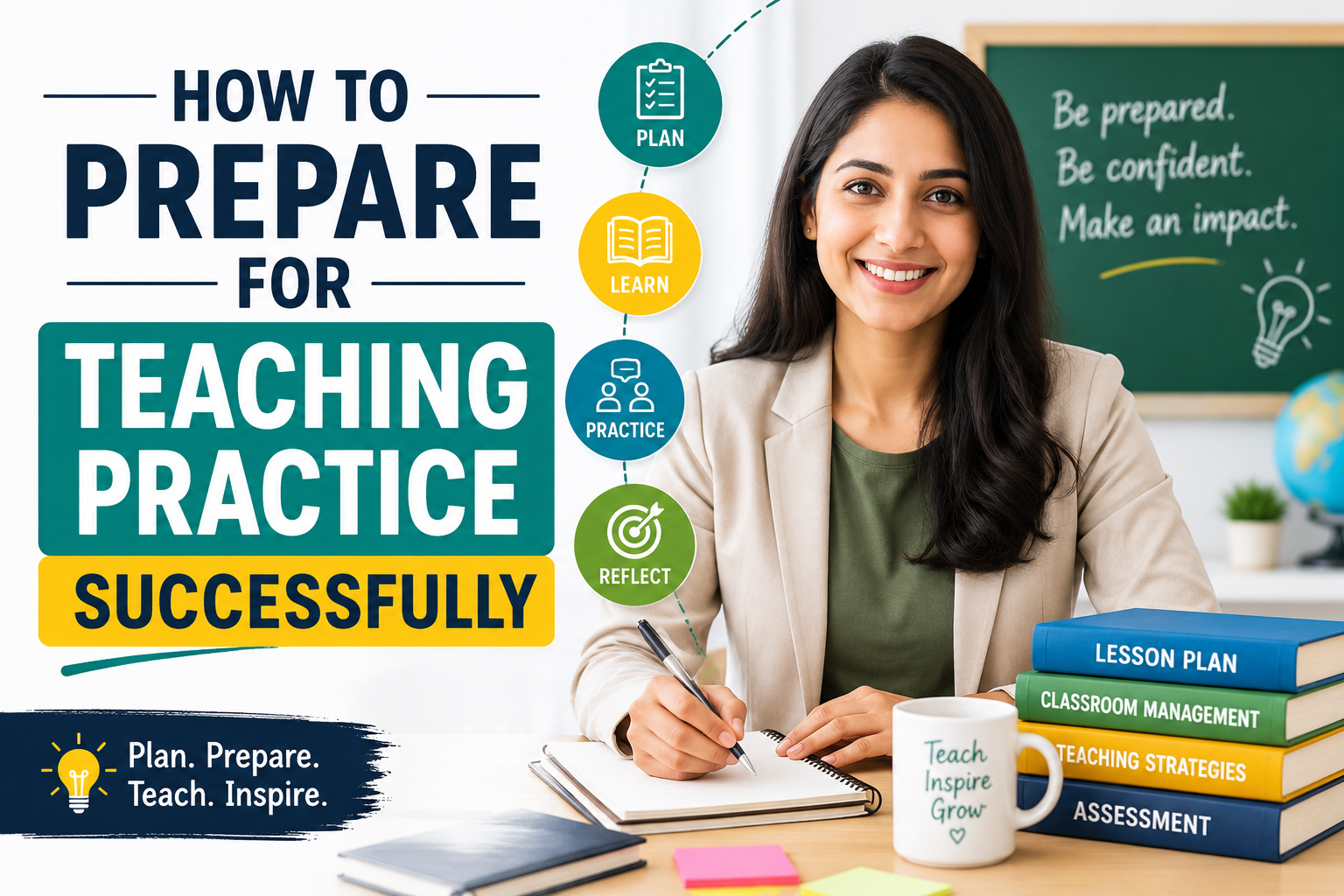
Teaching practice is a vital part of teacher education, providing aspiring educators with the opportunity to apply classroom theories in real teaching environments. Proper preparation can boost confidence, improve lesson delivery, and enhance classroom management skills. In this guide, you'll discover practical strategies for successful teaching practice, including lesson planning, student engagement techniques, professional conduct, and ways to make the most of mentor feedback. Whether you're preparing for your first teaching placement or looking to improve your performance, these tips will help you build a strong foundation for a successful teaching career.
Teaching practice is one of the most important stages in a teacher’s professional journey. It provides aspiring educators with the opportunity to apply theoretical knowledge in a real classroom setting and gain hands-on teaching experience. Through teaching practice, student teachers learn how to manage classrooms, engage learners, and develop effective instructional strategies.
Proper preparation plays a vital role in ensuring a successful teaching practice experience. When educators enter the classroom well-prepared, they feel more confident, perform better, and create meaningful learning experiences for students. This guide explores practical strategies to help future teachers prepare effectively and make the most of their teaching practice.
Teaching practice serves as a bridge between educational theory and real-world classroom experience. While teacher education programs provide essential knowledge about teaching methods and learning theories, teaching practice allows future educators to apply these concepts in actual teaching situations.
One of the primary purposes of teaching practice is to develop professional teaching skills. It helps student teachers learn lesson planning, classroom management, communication, and assessment techniques. Additionally, teaching practice builds confidence by exposing future teachers to different classroom scenarios and challenges.
Most importantly, it provides opportunities to interact with students, understand their learning needs, and develop strategies that support effective learning outcomes.
Before beginning teaching practice, it is important to become familiar with the school environment. Understanding the school's culture, values, and policies can help student teachers adapt quickly and perform effectively.
Take time to learn about the age group and academic level of the students you will be teaching. Different age groups require different teaching approaches, communication styles, and classroom management techniques.
Observing classroom routines and expectations can also provide valuable insights into how the learning environment functions. Additionally, building a positive relationship with mentor teachers can offer guidance, support, and constructive feedback throughout the teaching practice period.
Effective lesson planning is the foundation of successful teaching. Well-structured lesson plans provide a clear roadmap for achieving learning objectives and keeping students engaged.
Start by identifying specific learning outcomes that students should achieve by the end of the lesson. Prepare teaching materials and resources in advance to ensure a smooth learning experience.
Incorporate interactive activities such as group discussions, problem-solving tasks, and hands-on exercises to encourage participation. It is also important to plan assessment methods that measure student understanding and learning progress.
A detailed lesson plan helps reduce anxiety and allows teachers to focus on delivering quality instruction.
Strong subject knowledge is essential for effective teaching. Students often ask questions that require teachers to provide accurate explanations and examples.
Before teaching, review the curriculum and familiarize yourself with the topics you will cover. Refresh key concepts and ensure you understand them thoroughly.
Stay informed about current teaching methods and educational trends that can enhance classroom learning. Anticipating common student questions and preparing responses in advance can also boost confidence and improve lesson delivery.
A well-prepared teacher is more likely to gain student trust and maintain classroom credibility.
Teaching resources play a significant role in making lessons engaging and understandable. High-quality resources can support different learning styles and improve student comprehension.
Prepare worksheets, handouts, and practice exercises that align with lesson objectives. Visual aids such as charts, diagrams, and presentations can help simplify complex concepts.
Educational videos and digital tools can make lessons more interactive and appealing to modern learners. Additionally, interactive learning materials such as quizzes, games, and collaborative activities can increase student participation and motivation.
The right resources enhance both teaching effectiveness and student learning outcomes.
Classroom management is a critical skill that every teacher must develop. A well-managed classroom creates a positive environment where students can focus on learning.
Begin by establishing clear rules, expectations, and routines from the start. Consistency is important when enforcing classroom standards.
Use positive reinforcement to encourage appropriate behavior and recognize student achievements. Keeping students engaged through interactive lessons can also reduce disruptive behavior.
When challenges arise, handle them professionally and calmly. Effective classroom management helps create a productive learning atmosphere and supports student success.
Even the best lesson plan can be ineffective if it is not delivered properly. Practicing lesson delivery can help improve confidence and communication skills.
Rehearse lesson presentations before entering the classroom. Focus on speaking clearly, maintaining eye contact, and using appropriate body language.
Pay attention to voice projection to ensure all students can hear and understand the lesson. Conducting mock teaching sessions with peers or mentors can provide valuable feedback and help identify areas for improvement.
The more you practice, the more comfortable and confident you will become in front of students.
Student engagement is essential for effective learning. Engaged students are more likely to participate actively, retain information, and achieve better academic outcomes.
Use interactive teaching strategies that encourage student involvement. Ask open-ended questions, facilitate discussions, and incorporate collaborative learning activities.
Recognize that students have different learning styles and adapt teaching methods accordingly. Some students learn best through visual materials, while others prefer hands-on activities or verbal explanations.
Creating an inclusive learning environment where every student feels valued and respected can significantly improve engagement and participation.
Effective time management helps teachers maximize instructional time and maintain lesson flow.
Plan lesson activities carefully to ensure all objectives can be completed within the allocated time. Balance teaching, discussions, and assessments appropriately.
Prepare backup activities in case lessons finish earlier than expected. At the same time, remain flexible and ready to adjust plans when unexpected situations arise.
Strong time management skills help teachers stay organized and create efficient learning experiences.
Feedback is one of the most valuable tools for professional growth. During teaching practice, mentor teachers and supervisors can provide insights that help improve teaching effectiveness.
Approach feedback with an open mind and view it as an opportunity for learning rather than criticism. Reflect regularly on your teaching experiences by identifying strengths and areas for improvement.
Keep a teaching journal to record observations, challenges, and lessons learned. Applying feedback consistently can lead to significant professional development over time.
Continuous improvement is a hallmark of successful educators.
Professionalism is essential throughout the teaching practice experience. Arrive on time, fulfill responsibilities reliably, and demonstrate a positive attitude.
Dress appropriately according to school guidelines and maintain professional behavior at all times. Build respectful relationships with students, colleagues, and school staff.
Follow ethical teaching standards, maintain confidentiality, and act as a positive role model for students. Professional conduct leaves a lasting impression and contributes to career success.
Many student teachers encounter challenges that can affect their performance. Being aware of common mistakes can help avoid them.
Some frequent mistakes include:
Recognizing these pitfalls early can help future educators improve their teaching practice experience.
A successful teaching practice experience offers numerous benefits for future educators.
It helps build confidence in teaching abilities and improves instructional skills. Student teachers gain practical classroom management experience and develop stronger communication techniques.
Teaching practice also enhances employability by providing real-world experience that employers value. Most importantly, it prepares aspiring educators for the responsibilities and challenges of a professional teaching career.
Teaching practice is a crucial step in becoming an effective and confident educator. Success requires careful preparation, strong subject knowledge, effective lesson planning, classroom management skills, and a commitment to continuous improvement. By understanding the purpose of teaching practice, preparing thoroughly, seeking feedback, and maintaining professionalism, future teachers can maximize their learning experience and develop the skills needed for a successful teaching career. Approach teaching practice with confidence, dedication, and a willingness to learn. Every classroom experience is an opportunity to grow into the educator you aspire to become.
