

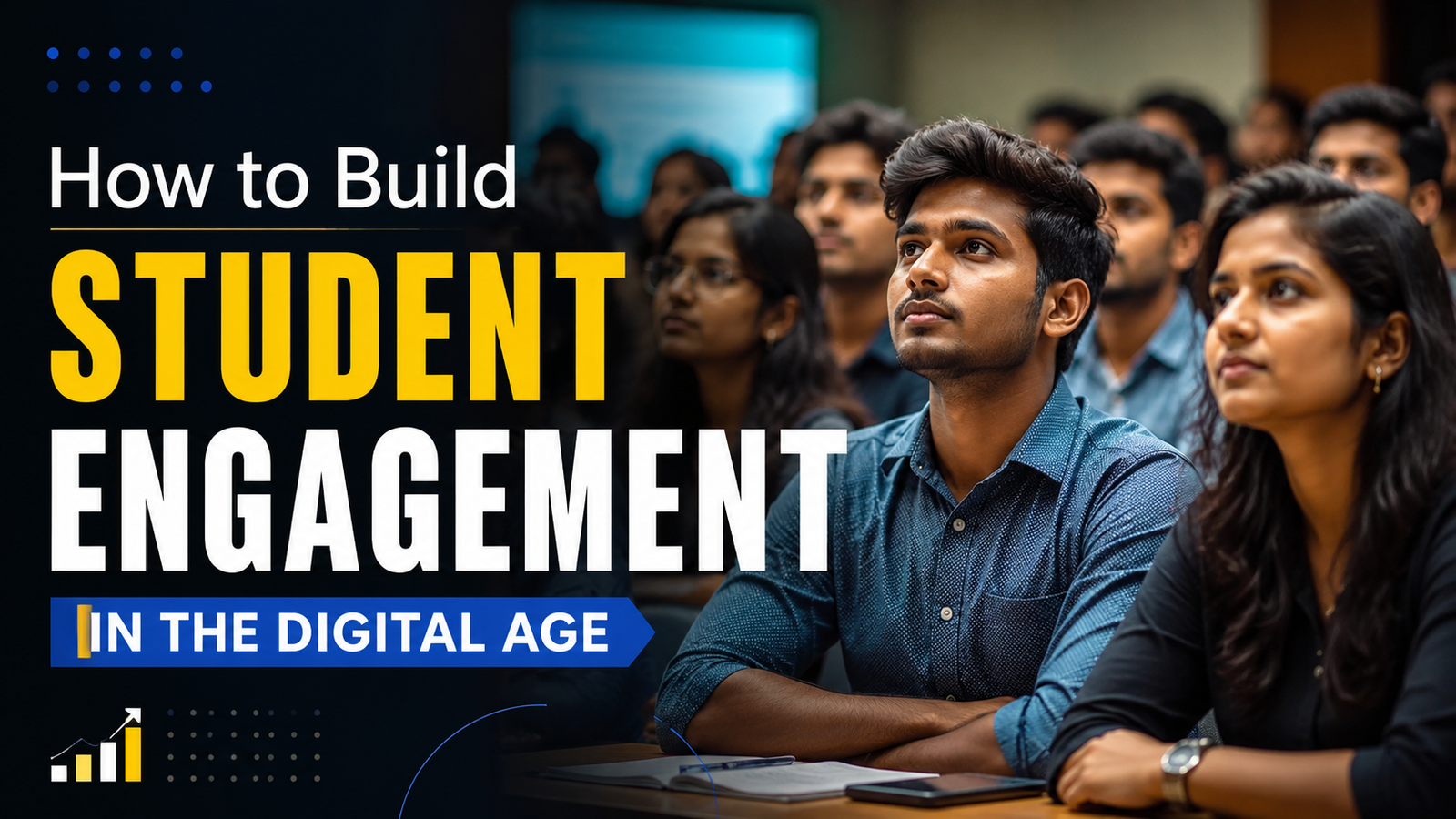
Student engagement is one of the biggest challenges facing educators in today's technology-driven learning environment. As classrooms become increasingly digital, teachers must find innovative ways to capture attention, encourage participation, and create meaningful learning experiences. This article explores practical strategies, tools, and best practices for building student engagement in the digital age, helping educators foster motivation, collaboration, and academic success both online and in hybrid classrooms.
Education has undergone a remarkable transformation over the past decade. Traditional classrooms, once centered around textbooks and face-to-face instruction, are increasingly being supplemented—or even replaced—by digital learning environments. From virtual classrooms and online learning platforms to AI-powered educational tools, technology has reshaped how students learn and interact with educational content.
While these advancements have created exciting opportunities, they have also introduced new challenges. Educators today must compete with countless digital distractions, shorter attention spans, and varying learning preferences. As a result, student engagement has become one of the most important factors in achieving successful learning outcomes.
This article explores the importance of student engagement in the digital age and provides practical strategies educators can use to create meaningful and interactive learning experiences.
Student engagement refers to the level of interest, attention, participation, and commitment students demonstrate during the learning process. Engaged students are more likely to actively participate in lessons, complete assignments, retain information, and achieve academic success.
Behavioral engagement involves students' active participation in classroom activities, assignments, discussions, and learning tasks. It reflects how consistently students attend classes and contribute to learning activities.
Emotional engagement refers to students' feelings toward learning, their teachers, and their educational environment. Students who feel connected and supported are more likely to remain motivated.
Cognitive engagement focuses on how deeply students think about and process information. It includes critical thinking, problem-solving, and the willingness to invest effort in understanding complex concepts.
Social engagement involves collaboration and interaction with peers and instructors. Group discussions, teamwork, and peer learning opportunities contribute significantly to this aspect of engagement.
Research consistently shows that engaged students achieve higher grades, demonstrate stronger retention of knowledge, and develop better critical-thinking skills. Engagement also improves attendance, motivation, and overall satisfaction with the learning experience.
Although technology offers numerous educational benefits, it also presents obstacles that can reduce student engagement.
Modern learners are accustomed to consuming information quickly through social media and digital platforms. Maintaining focus during lengthy online lessons can be difficult.
Notifications, entertainment apps, social media, and multitasking opportunities compete for students' attention during learning sessions.
Extended periods of screen time can lead to mental exhaustion, reduced concentration, and lower motivation.
Virtual learning environments often lack the natural social interactions found in traditional classrooms, making it harder to build strong teacher-student relationships.
Students learn differently. Some prefer visual content, while others benefit from discussions, hands-on activities, or self-paced learning experiences. Meeting these diverse needs can be challenging in digital settings.
When students are actively engaged, the learning experience becomes significantly more effective.
Engaged students absorb information more effectively and perform better academically.
Interactive and meaningful learning experiences help students remember concepts for longer periods.
Students who feel involved are more likely to ask questions, contribute ideas, and participate in discussions.
Frequent interaction and personalized communication foster trust and support between educators and learners.
Engaged students are more likely to analyze information, evaluate ideas, and develop creative solutions to challenges.
Interactive technology can transform passive learners into active participants.
Quick polls and quizzes encourage participation and provide immediate feedback on student understanding.
Gamified learning incorporates points, badges, leaderboards, and rewards to motivate students and make learning more enjoyable.
Digital whiteboards allow students to collaborate, brainstorm, and share ideas in real time.
Interactive educational applications can enhance learning through simulations, practice exercises, and personalized learning experiences.
Students engage more effectively when information is presented in multiple formats.
Visual content simplifies complex concepts and increases retention.
Audio-based learning offers flexibility and appeals to auditory learners.
Infographics make information easier to understand and remember through visual storytelling.
Interactive slides, embedded activities, and clickable elements encourage active participation.
Student-centered learning creates a more engaging educational experience.
Discussions encourage students to share ideas, ask questions, and learn from one another.
Collaborative projects develop teamwork, communication, and problem-solving skills.
Giving students opportunities to teach or present increases confidence and ownership of learning.
Online discussion boards provide additional opportunities for interaction beyond live classroom sessions.
Personalization helps students feel more connected to their educational journey.
These systems adjust content and difficulty levels based on individual student performance.
Specific and timely feedback helps students identify strengths and areas for improvement.
Allowing students to progress at their own pace accommodates different learning needs.
Providing options empowers students and increases motivation.
A supportive learning community significantly boosts engagement.
Live sessions help recreate the social aspects of traditional learning environments.
Peer-to-peer learning encourages accountability and collaboration.
Shared projects and group assignments strengthen connections among learners.
Consistent communication helps students feel supported and valued.
Students engage more deeply when they see real-world value in their studies.
Connecting lessons to everyday situations increases relevance and understanding.
Projects allow students to apply knowledge to authentic challenges.
Practical examples help students understand how concepts are used professionally.
Relating lessons to current events keeps content timely and engaging.
Technology continues to play a vital role in creating engaging learning experiences.
Artificial intelligence can provide personalized recommendations, instant feedback, and customized learning pathways.
Learning management systems streamline communication, content delivery, assessments, and progress tracking.
Immersive technologies create interactive experiences that bring concepts to life.
Data analytics help educators identify engagement patterns and intervene when students need additional support.
Educators can enhance engagement by following a few best practices:
Monitoring engagement helps educators evaluate the effectiveness of their teaching strategies.
Track contributions during discussions, activities, and classroom interactions.
Completion rates provide insight into student motivation and commitment.
Regular attendance and platform usage indicate engagement levels.
Direct feedback helps identify strengths and areas for improvement.
Performance data can reveal whether engagement strategies are positively impacting learning.
Even well-intentioned efforts can reduce engagement if implemented incorrectly.
Using too many tools can overwhelm learners and create confusion.
Passive lectures without interaction often lead to disengagement.
Students provide valuable insights into what works and what doesn't.
Learning should be a two-way process that encourages communication and collaboration.
Technology should support educational goals rather than serve as a distraction.
The future of education will continue to evolve alongside technological advancements.
AI-powered systems will offer increasingly customized learning experiences.
Virtual and augmented reality will create more engaging educational environments.
Short, focused learning modules will help accommodate modern attention spans.
Combining online and in-person instruction will provide greater flexibility.
Advanced analytics will enable educators to make more informed instructional decisions.
Building student engagement in the digital age requires more than simply adopting new technology. Successful engagement comes from creating interactive, personalized, and meaningful learning experiences that keep students motivated and connected.
By leveraging interactive tools, incorporating multimedia content, fostering collaboration, personalizing instruction, and maintaining strong teacher-student relationships, educators can create digital learning environments where students thrive.
As technology continues to evolve, the most effective educators will be those who balance innovation with human connection, ensuring that engagement remains at the heart of the learning experience.
