

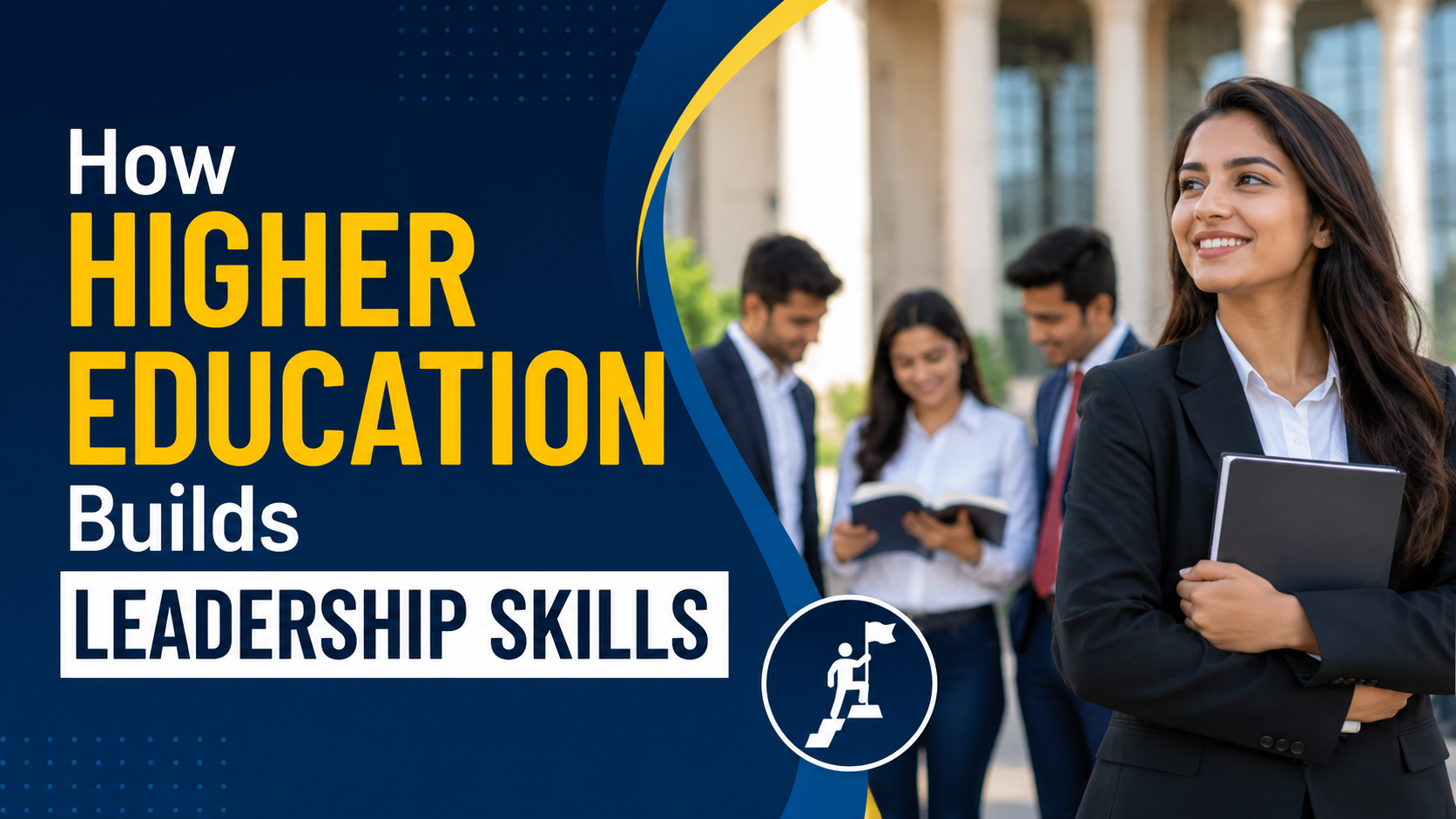
Higher education goes beyond academic learning by helping students develop essential leadership skills such as communication, critical thinking, teamwork, and decision-making. Through classroom experiences, projects, internships, and extracurricular activities, universities prepare students to become confident, adaptable, and responsible leaders ready to succeed in a changing world.
In today’s rapidly changing world, academic qualifications alone are not enough to achieve long-term success. While knowledge and technical expertise provide a strong foundation, leadership skills help individuals apply that knowledge effectively, inspire others, solve problems, and create meaningful change. Whether in business, education, technology, healthcare, or social development, organizations need professionals who can communicate clearly, make thoughtful decisions, adapt to challenges, and work collaboratively.
Employers increasingly value skills such as communication, teamwork, problem-solving, adaptability, and emotional intelligence. These qualities enable individuals to handle workplace challenges and contribute positively to organizational growth.
Higher education plays an important role in developing these leadership abilities. Universities are not only centers of academic learning but also environments where students gain practical experiences, interact with diverse communities, and develop the confidence needed to become future leaders. Through classroom learning, extracurricular activities, research, internships, and mentorship, higher education helps students transform into responsible and capable professionals.
One of the most important leadership qualities is the ability to think critically and make effective decisions. Higher education encourages students to move beyond memorizing information and develop analytical skills that help them understand complex situations.
University-level learning involves research projects, case studies, presentations, and discussions that challenge students to examine problems from different perspectives. Students learn how to collect information, evaluate evidence, identify possible solutions, and make informed choices.
For future leaders, decision-making is a crucial skill. Leaders often face situations where they must consider multiple factors before choosing the best approach. The critical thinking abilities developed during higher education prepare students to handle uncertainty and make responsible decisions in their professional lives.
Effective communication is at the heart of successful leadership. A good leader must be able to share ideas clearly, listen to others, and motivate teams toward common goals.
Higher education provides numerous opportunities for students to improve their communication skills. Classroom presentations, seminars, debates, workshops, and group discussions encourage students to express their thoughts confidently. These activities help students organize their ideas, speak effectively, and engage with different audiences.
Strong communication skills also help leaders build trust and create positive relationships. Whether presenting a business proposal, leading a team meeting, or addressing a community, the ability to communicate effectively is essential for leadership success.
Leadership is not about working alone; it involves bringing people together and achieving shared objectives. Higher education teaches students the importance of teamwork through group assignments, student organizations, academic clubs, and campus activities.
When students collaborate with their peers, they learn how to manage different opinions, respect diverse viewpoints, and contribute effectively to a team. They experience the challenges of coordination, conflict resolution, and collective decision-making.
These experiences prepare students for professional environments where collaboration is necessary. Modern workplaces depend on teams with individuals who can cooperate, support each other, and work toward common goals.
Leadership skills develop through practice and experience. Higher education provides students with several opportunities to take responsibility and develop leadership abilities outside the classroom.
Students can gain practical leadership experience through:
Such experiences build confidence and teach students how to take initiative, manage responsibilities, and lead others effectively.
Successful leaders are often those who can identify challenges and create innovative solutions. Higher education encourages creativity by exposing students to different subjects, ideas, and perspectives.
Through research, projects, and practical assignments, students learn to approach problems logically and develop creative solutions. Universities encourage curiosity and experimentation, allowing students to explore new approaches and think beyond traditional methods.
Innovation is becoming increasingly important in modern careers. Leaders who can adapt, think creatively, and introduce new ideas are better prepared to address changing industry demands and societal challenges.
Leadership is not only about professional skills; it also requires understanding oneself and others. Emotional intelligence helps individuals manage their emotions, understand different viewpoints, and build stronger relationships.
College experiences help students develop self-awareness by exposing them to new challenges and interactions. They learn how to handle pressure, accept feedback, manage conflicts, and adapt to different situations.
Skills such as empathy, resilience, patience, and emotional control allow leaders to support their teams and create positive working environments. A leader who understands people can make better decisions and inspire greater trust.
Universities bring together students from different cultures, backgrounds, and experiences. This diversity creates opportunities for students to learn from one another and develop a broader understanding of the world.
Interacting with diverse groups helps students become more inclusive and open-minded. They learn to appreciate different perspectives, communicate across cultures, and work effectively with people who have different ideas and approaches.
For future leaders, this global perspective is valuable. Organizations today operate in diverse environments, and leaders must be able to create inclusive spaces where everyone can contribute.
Higher education encourages students to become independent thinkers and responsible individuals. Managing academic responsibilities, completing projects, participating in activities, and making personal decisions help students develop confidence.
University life often requires students to organize their time, solve problems independently, and take ownership of their goals. These experiences prepare them to face professional challenges with confidence.
Independent thinking and self-confidence are important leadership qualities because effective leaders must be willing to take initiative and make decisions while accepting responsibility for their actions.
Faculty members, mentors, and career advisors play a significant role in shaping future leaders. Their guidance helps students identify their strengths, improve their skills, and develop professional goals.
Mentors provide valuable feedback, share industry experiences, and encourage students to overcome challenges. Through meaningful interactions with educators and professionals, students gain insights into leadership practices and career development.
A strong mentorship system helps students build professional networks and learn from experienced individuals who can guide them throughout their academic and professional journeys.
The leadership skills developed during higher education directly contribute to career success. Graduates enter the workforce with not only academic knowledge but also the ability to communicate, collaborate, solve problems, and adapt to change.
These skills help individuals become effective managers, entrepreneurs, innovators, and industry contributors. Organizations seek professionals who can take initiative, support teams, and contribute to long-term growth.
Higher education acts as a bridge between academic learning and professional leadership by preparing students to handle real-world responsibilities.
Higher education plays a powerful role in developing leadership skills that extend beyond textbooks and classrooms. Universities provide students with opportunities to think critically, communicate effectively, collaborate with others, gain practical experience, and develop confidence.
Leadership is not simply an inborn quality; it is a skill that can be developed through continuous learning, experience, and personal growth. By combining academic knowledge with practical opportunities, higher education prepares students to become capable leaders who can create positive change in their professions and communities.
As the world continues to evolve, the need for adaptable, innovative, and responsible leaders will continue to grow. Higher education remains one of the strongest foundations for building the leaders of tomorrow.
