

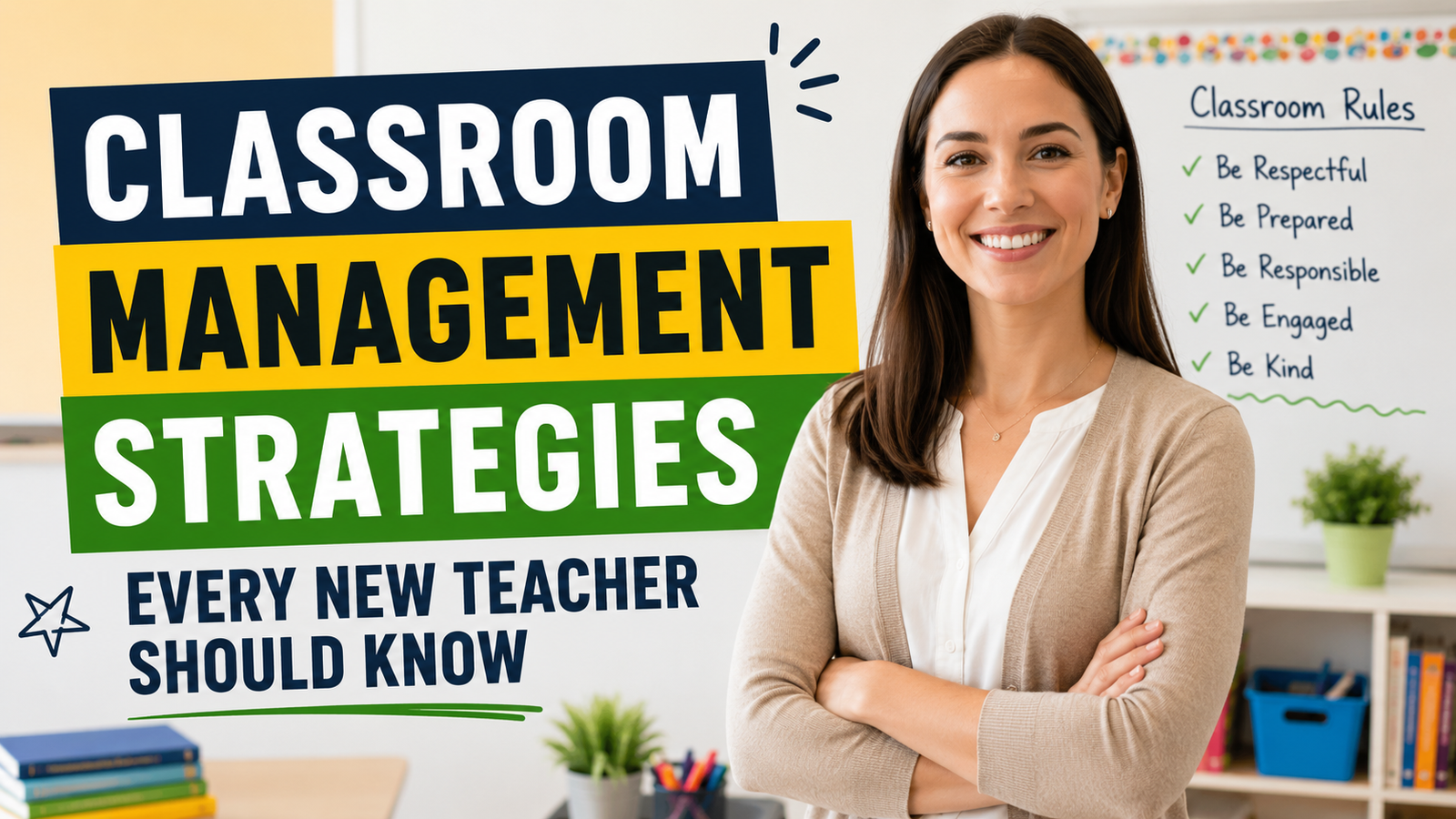
Effective classroom management is one of the most important skills every new teacher must develop. A well-managed classroom creates a positive learning environment where students feel safe, engaged, and motivated to succeed. From setting clear expectations and establishing consistent routines to building strong relationships with students, effective management strategies help reduce disruptions and maximize learning opportunities. In this guide, we'll explore practical classroom management techniques that can help new teachers build confidence, foster student engagement, and create a classroom culture where both teaching and learning can thrive.
Starting a teaching career is both exciting and challenging. While lesson planning and subject knowledge are essential, effective classroom management is often what determines whether learning can truly take place. New teachers frequently discover that even the most engaging lessons can fall short if the classroom environment is disorganized or disruptive.
The good news is that classroom management is a skill that can be learned and refined over time. By establishing clear expectations, building strong relationships, and implementing consistent routines, new educators can create a positive and productive learning environment from the very beginning.
Classroom management is the foundation of effective teaching. When students understand expectations and feel safe, respected, and supported, they are more likely to participate actively and stay focused on learning. A well-managed classroom minimizes disruptions, maximizes instructional time, and promotes academic success.
Many new teachers encounter similar obstacles during their first years in the classroom. Managing noise levels, handling transitions between activities, addressing off-task behaviour, and finding the balance between being approachable and maintaining authority can feel overwhelming at first. Understanding that these challenges are normal is the first step toward overcoming them.
This guide provides practical classroom management strategies that can help new teachers build confidence, improve student engagement, and establish a positive learning culture that supports both academic and personal growth.
Students are more likely to follow rules when they feel involved in creating them. Rather than presenting a long list of regulations, work with students to develop a small set of clear, positive expectations. For example, instead of saying "Don't interrupt," frame the rule as "Listen respectfully when others are speaking."
Collaborative rule-setting helps students take ownership of their behaviour and creates a stronger sense of community within the classroom.
Many classroom disruptions occur because students are unsure about procedures. Take time to teach and practice routines for common activities such as:
Do not assume students automatically know these expectations. Consistent practice early in the school year can prevent many management issues later.
Post classroom rules and routines where students can easily see them. Refer to them regularly, especially during the first few weeks of school. Consistency is key—students need to know that expectations apply to everyone, every day.
Strong teacher-student relationships are among the most effective classroom management tools available. Learn students' names as quickly as possible and make an effort to understand their interests, strengths, and goals.
Simple actions such as greeting students at the door, asking about their hobbies, or recognizing their achievements can help build trust and rapport.
While correcting inappropriate behaviour is necessary, students often respond better when positive actions are acknowledged. Recognizing effort, participation, and responsible behavior encourages students to repeat those actions.
Statements such as "I appreciate how quickly this group got started" can motivate others to follow the same example.
Students value consistency and fairness. Treat all students with respect, listen to their concerns, and apply rules consistently. When students feel respected, they are more likely to respect classroom expectations in return.
Students thrive in environments where they know what to expect. Establish a consistent daily routine that includes:
Predictability reduces anxiety and helps students stay focused throughout the day.
Transitions can quickly become opportunities for disruption. Use strategies such as timers, countdowns, hand signals, or verbal cues to help students move efficiently from one activity to the next.
Practicing transitions regularly can save valuable instructional time.
Organization plays a significant role in classroom management. Having lesson materials, technology, and resources prepared before class begins minimizes delays and keeps students engaged.
When teachers are organized, students are more likely to remain focused and productive.
One of the simplest yet most effective management strategies is moving around the classroom. Teacher proximity often prevents minor disruptions before they become larger problems.
Walking around the room also allows teachers to monitor understanding, provide support, and maintain student engagement.
Students are more likely to follow instructions when they are straightforward and easy to understand. Avoid lengthy explanations and instead provide directions in short, clear steps.
After giving instructions, ask students to repeat them or summarize the task to ensure understanding.
Effective classroom management is proactive rather than reactive. Consider when and where disruptions are most likely to occur and plan accordingly.
For example, if group work often leads to off-task behavior, establish clear roles and expectations before the activity begins.
When correcting students, focus on the specific behavior rather than labeling the student. For example, say, "Please raise your hand before speaking" instead of "You're being disruptive."
This approach preserves student dignity while addressing the issue effectively.
Not every behavior requires the same response. Consider using a progressive approach:
A structured response system helps maintain consistency and fairness.
Power struggles rarely produce positive outcomes. Remain calm, speak respectfully, and avoid engaging in arguments with students. Providing choices and allowing students opportunities to correct their behavior can help de-escalate challenging situations.
Engaged students are less likely to become disruptive. Incorporate a variety of instructional methods, including:
Variety helps maintain interest and accommodates different learning styles.
Students are more motivated when they understand the purpose of a lesson. Share learning objectives at the beginning of class and explain how activities connect to those goals.
Clear expectations help students remain focused and accountable.
Frequent checks for understanding keep students engaged and provide valuable feedback. Consider using:
These strategies allow teachers to monitor progress and adjust instruction as needed.
Building positive relationships with families can significantly support classroom management efforts. Reach out early in the school year to introduce yourself and share positive updates about student progress.
When concerns arise later, established communication channels make conversations more productive.
No teacher succeeds alone. Experienced educators can provide valuable advice, classroom management techniques, and emotional support. Don't hesitate to observe colleagues, ask questions, and seek feedback.
When possible, collaborate with colleagues to establish consistent expectations and behavior standards. Consistency across classrooms helps students understand school-wide expectations and promotes a positive learning environment.
Classroom management requires ongoing reflection. Set aside time each week to consider:
Regular reflection allows for continuous improvement.
Every classroom is unique. A strategy that works well with one group of students may not work with another. Stay flexible and adjust your approach based on student needs and classroom dynamics.
Classroom management is a journey, especially for new teachers. Recognize and celebrate progress, whether it's smoother transitions, improved participation, or stronger student relationships.
Small successes build confidence and encourage continued growth.
Classroom management is not about controlling students—it's about creating an environment where learning can flourish. New teachers should remember that effective management develops through practice, reflection, and experience.
By establishing clear expectations, maintaining consistent routines, building positive relationships, and responding thoughtfully to challenges, educators can create classrooms where students feel supported, respected, and motivated to learn.
Success does not come from perfection. It comes from consistency, patience, and a genuine commitment to helping students thrive. When teachers focus on connection and structure, classroom management becomes less about discipline and more about building a positive learning community where everyone can succeed.
