
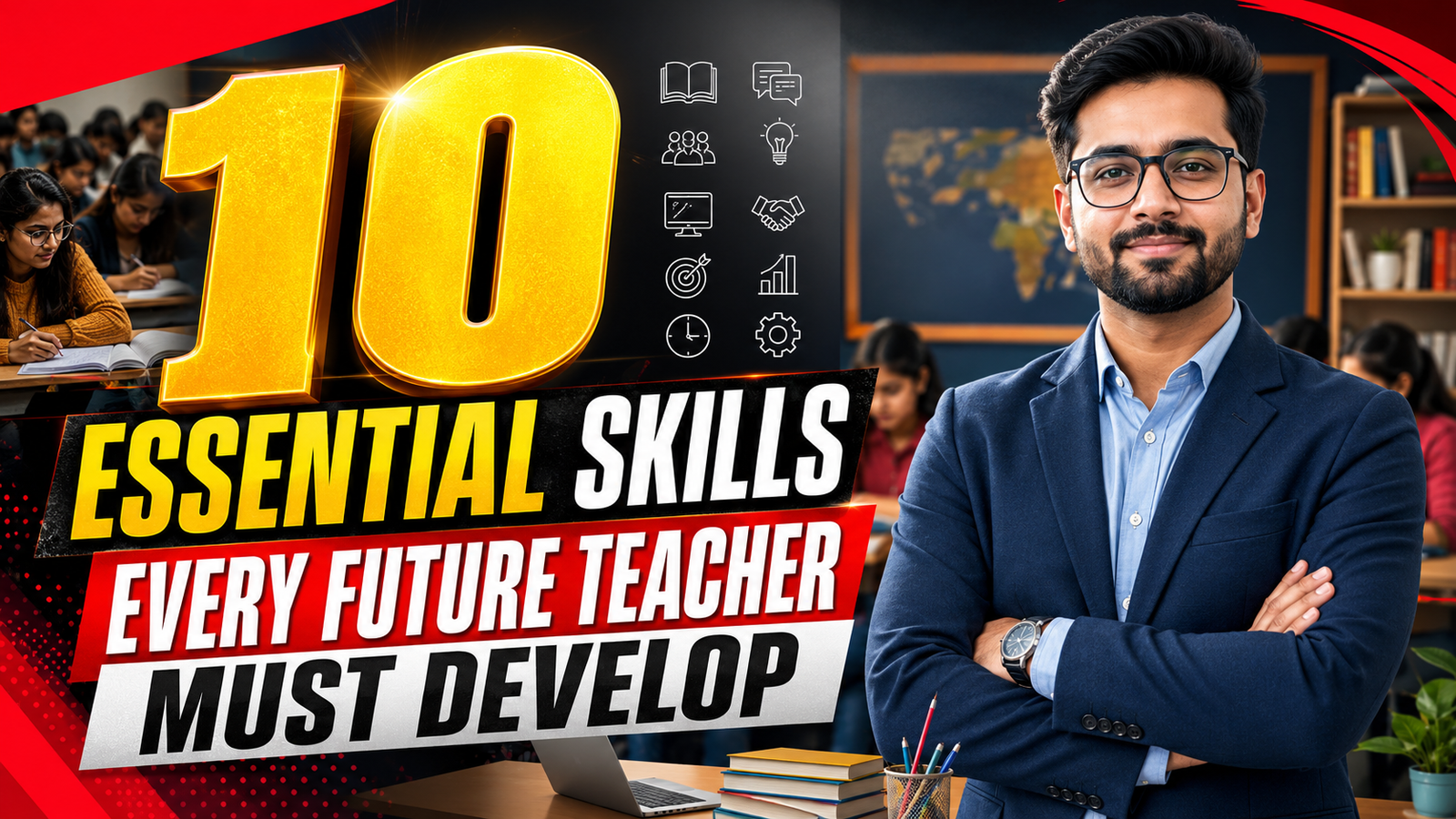
Teaching in the 21st century requires far more than subject expertise. Future educators must develop a diverse set of skills, including effective communication, classroom management, digital literacy, adaptability, emotional intelligence, and leadership. These essential competencies help teachers create engaging learning environments, support diverse student needs, and thrive in an ever-evolving educational landscape. Discover the 10 key skills every aspiring teacher should master to build a successful and impactful teaching career.
The role of teachers has evolved significantly over the past few decades. Modern educators are no longer just providers of information; they are mentors, facilitators, innovators, and leaders who guide students through an increasingly complex world. As education continues to adapt to technological advancements, changing student needs, and new learning methodologies, future teachers must develop a diverse set of skills that extend far beyond subject expertise.
While strong content knowledge remains important, successful teachers also need communication, leadership, adaptability, and technological skills to create meaningful learning experiences. Developing these competencies early can help aspiring educators build confidence and prepare for long-term success in the classroom.
In this article, we explore ten essential skills every future teacher should develop and why they matter in today's educational landscape.
Education today looks very different from what it did a generation ago. Modern classrooms are more diverse, technology-driven, and student-centered than ever before.
Students learn through multiple channels, including online platforms, collaborative projects, and interactive digital resources. At the same time, teachers must address varying learning styles, cultural backgrounds, and individual educational needs.
Strong teaching skills help educators:
Developing these skills allows future teachers to thrive in dynamic learning environments and positively impact student success.
Communication is one of the most important skills a teacher can possess. Teachers communicate daily with students, parents, colleagues, and administrators.
Effective communication includes:
Strong communication helps teachers explain complex concepts, resolve conflicts, and foster trust within the classroom community.
Even the best lesson plans can fail without effective classroom management. Teachers must create an environment where students feel safe, respected, and motivated to learn.
Key aspects of classroom management include:
Effective classroom management promotes productivity and reduces distractions, allowing students to focus on learning.
Teaching rarely goes exactly as planned. Future teachers must be prepared to adapt to unexpected challenges, whether they involve technology issues, curriculum changes, or varying student needs.
Adaptable teachers can:
Flexibility allows teachers to remain effective in an ever-changing educational environment.
Technology has become an essential part of modern education. Future teachers must feel comfortable using digital tools to support instruction and student learning.
Digital literacy involves:
Teachers who embrace technology can create more engaging, interactive, and accessible learning experiences.
Teachers regularly face situations that require thoughtful decision-making. Whether addressing learning gaps or managing classroom challenges, critical thinking helps educators make informed choices.
Strong problem-solving skills enable teachers to:
Teachers who model critical thinking also encourage students to become independent thinkers and problem solvers.
Emotional intelligence is the ability to understand and manage emotions while recognizing and responding to the emotions of others.
In education, emotional intelligence helps teachers:
Students are more likely to engage and succeed when they feel understood and respected by their teachers.
Creative teachers make learning more engaging and memorable. Innovation allows educators to move beyond traditional teaching methods and design experiences that capture student interest.
Creative teaching can include:
When lessons are engaging, students become more motivated and actively participate in the learning process.
Teaching is not a solitary profession. Successful educators work closely with colleagues, administrators, parents, and community members.
Collaboration helps teachers:
Strong teamwork contributes to a positive school culture and better educational outcomes.
Teachers are leaders inside and outside the classroom. They influence students through their actions, decisions, and attitudes.
Leadership skills help teachers:
Future educators who develop leadership abilities are often better equipped to create positive change within their schools and communities.
Education is constantly evolving, and teachers must continue learning throughout their careers.
A commitment to lifelong learning enables teachers to:
Professional growth ensures that educators remain effective and relevant in their field.
Developing teaching skills requires intentional effort and continuous practice.
Some effective ways to build these competencies include:
Formal teacher education programs provide foundational knowledge and practical teaching experience.
Observing experienced educators helps aspiring teachers learn effective strategies and classroom practices.
Digital learning platforms offer flexible opportunities to develop teaching and technology skills.
Connecting with experienced educators provides guidance, support, and valuable career insights.
Subject expertise is important, but teaching also requires communication, leadership, and interpersonal skills.
Skills such as empathy, adaptability, and teamwork are essential for long-term success.
Technology continues to shape education, making digital literacy increasingly important.
Professional growth should remain a lifelong commitment rather than ending after teacher certification.
The future of education depends on teachers who are prepared to meet the demands of modern classrooms. While subject knowledge forms the foundation of effective teaching, it is the combination of communication, classroom management, adaptability, digital literacy, critical thinking, emotional intelligence, creativity, collaboration, leadership, and lifelong learning that truly defines exceptional educators.
Aspiring teachers who invest time in developing these essential skills will be better equipped to inspire students, foster meaningful learning experiences, and build successful careers in education. By embracing continuous growth and professional development, future educators can make a lasting impact on the lives of their students and the future of education itself.
